



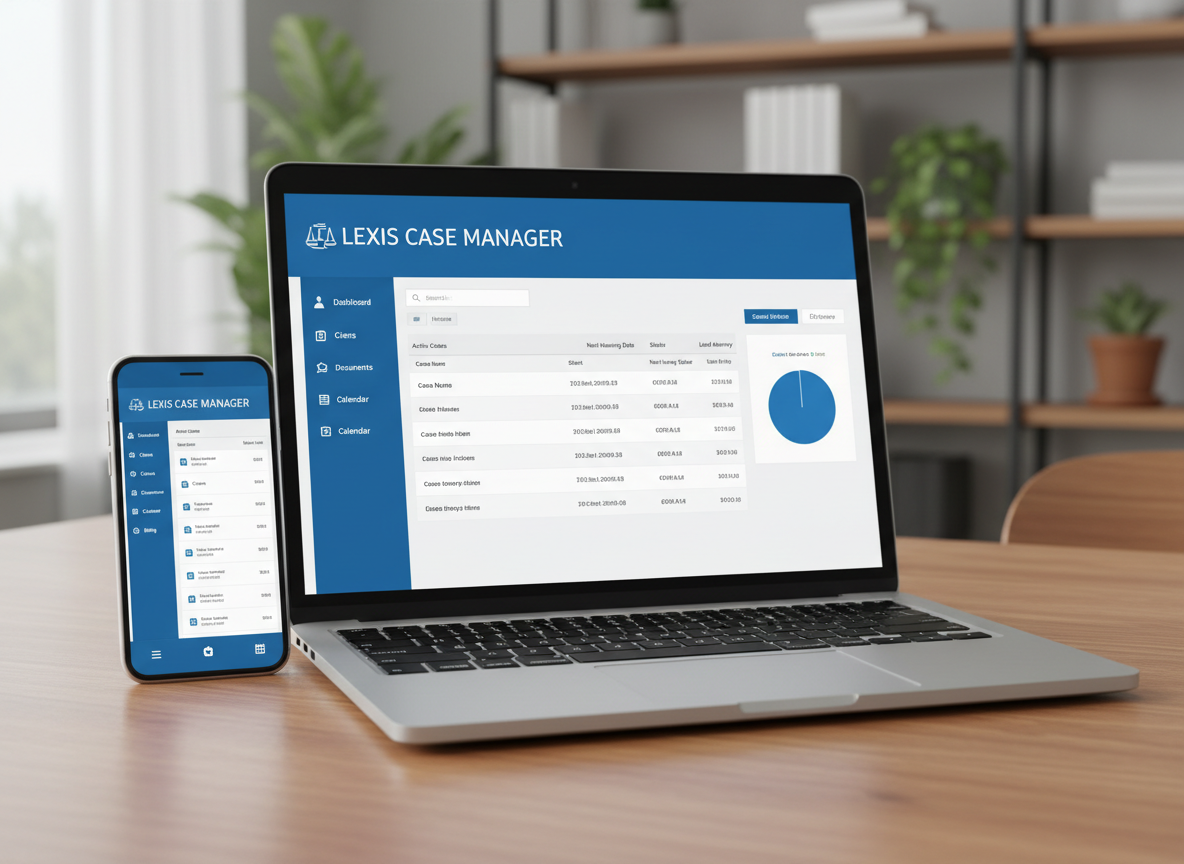
Cloud-based case management has become the default choice for modern law firms. As legal teams move away from on-premises systems, cloud platforms offer scalability, accessibility, and better workflow automation. But while the benefits are substantial, firms must also consider valid risks before committing fully.
Traditional on-prem systems required expensive servers, software installations, manual backups, and dedicated IT support. Cloud case management eliminates these headaches by hosting everything—documents, calendars, messages, case files—on secure remote servers accessible from anywhere. This is especially critical for hybrid teams, remote paralegals, and multi-location firms.
The key advantages begin with accessibility. Lawyers can update case notes, upload documents, or review deadlines from any device. Automated syncing ensures everyone sees the latest version, eliminating conflicts and lost files.
Scalability is another win. As caseloads grow, law firms can expand storage and user seats instantly without hardware upgrades. Cost structure also improves—firms pay predictable monthly fees instead of large upfront capital expenses.
Security is often misunderstood. Quality cloud providers offer encryption, MFA, role-based access, and continuous monitoring—far stronger protection than typical in-house servers. Automatic backups ensure case data isn’t lost due to hardware failure.
But cloud case management isn’t perfect.
Cons include reliance on stable internet connectivity, potential vendor lock-in, and the need for strict permissions to prevent accidental data exposure. Some jurisdictions also require careful handling of data residency rules, especially when storing sensitive cross-border files.
Another concern is long-term cost. Subscription fees accumulate over time, and switching providers may require data migration, which can be complex.
Despite these trade-offs, cloud adoption is accelerating because the operational gains far outweigh the risks. Firms using cloud platforms deliver faster responses, cleaner workflows, and more consistent client experiences.
Cloud case management isn’t just a tech upgrade—it’s a structural shift in how law firms operate today.













Leave a comment