



Law firms handle some of the most sensitive information in any industry—corporate contracts, financial records, trade secrets, litigation strategies, and confidential client communications. Yet many firms still operate with outdated security practices, making them prime targets for cyberattacks. Implementing strong cybersecurity measures is no longer optional; it’s a core responsibility.
The legal sector’s primary weakness is dependence on legacy workflows: email-based document sharing, unencrypted devices, weak passwords, and unsecured Wi-Fi networks. Combine that with remote work, and the attack surface expands dramatically. Cybercriminals exploit exactly these vulnerabilities.
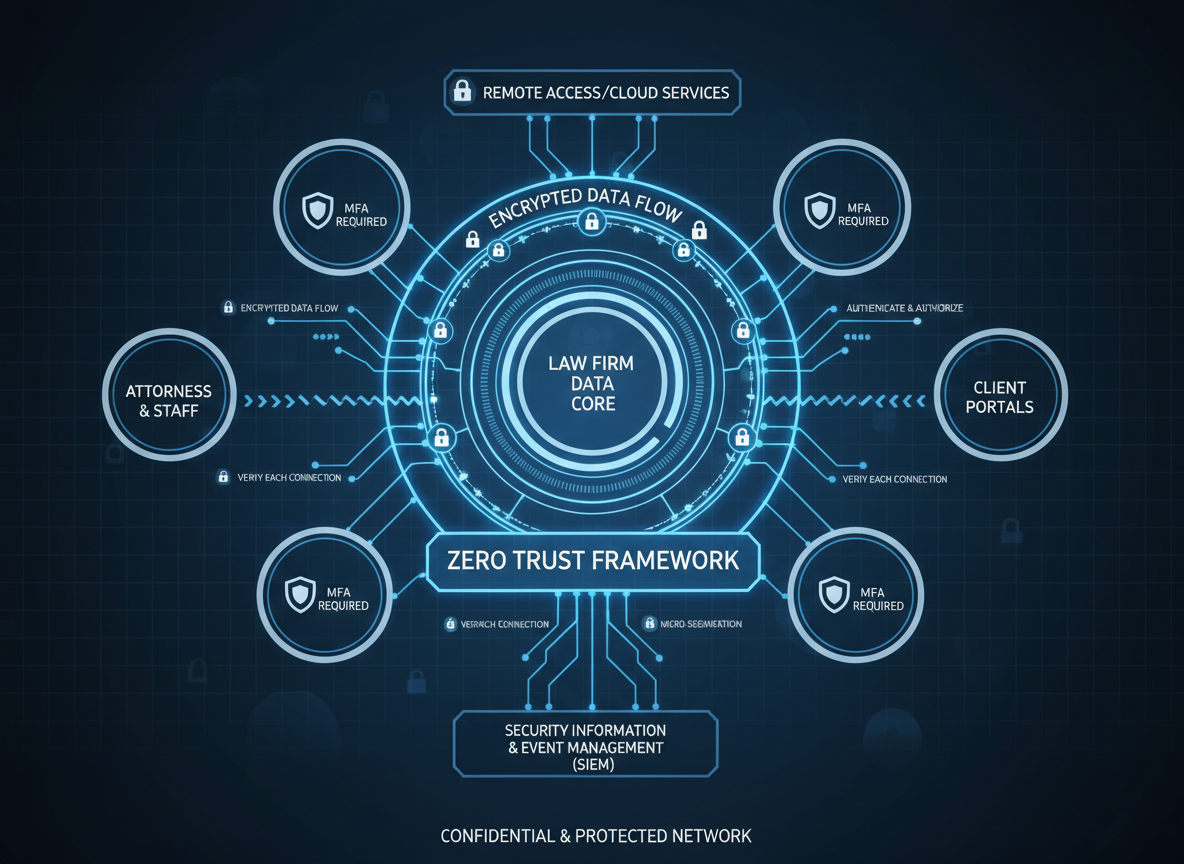
Modern cybersecurity best practices for law firms begin with Zero Trust architecture—the principle of never trusting any user or device by default. Every login attempt, device connection, and file access must be verified. This prevents lateral movement when attackers breach a single endpoint.
Encryption is another non-negotiable standard. All client files, documents, and communications must be encrypted in transit and at rest. Lawyers working on mobile devices must use secure apps, not personal email or messaging tools.
Multi-Factor Authentication (MFA) is one of the simplest yet most impactful protections. A stolen password becomes useless without a second verification factor. Firms without MFA remain one click away from a major breach.
Secure document sharing platforms are essential. Instead of emailing attachments, lawyers should use encrypted portals with permission-based access and audit trails. This prevents unauthorized viewing and ensures compliance with privacy regulations.
Law firms must also implement regular security awareness training. Human error is still the cause of most breaches—phishing emails, weak passwords, and accidental file sharing. Monthly micro-training is more effective than annual seminars.
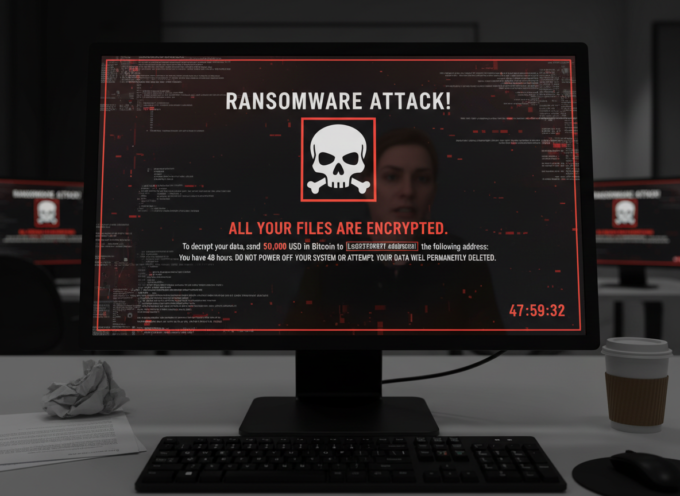
Finally, a firm must maintain offsite, encrypted backups and a formal incident response plan. Cyberattacks are not theoretical—they are inevitable. Prepared firms recover quickly; unprepared firms collapse.
Cybersecurity is no longer just IT’s problem. It’s a legal, ethical, and reputational imperative for modern law practices.











Leave a comment